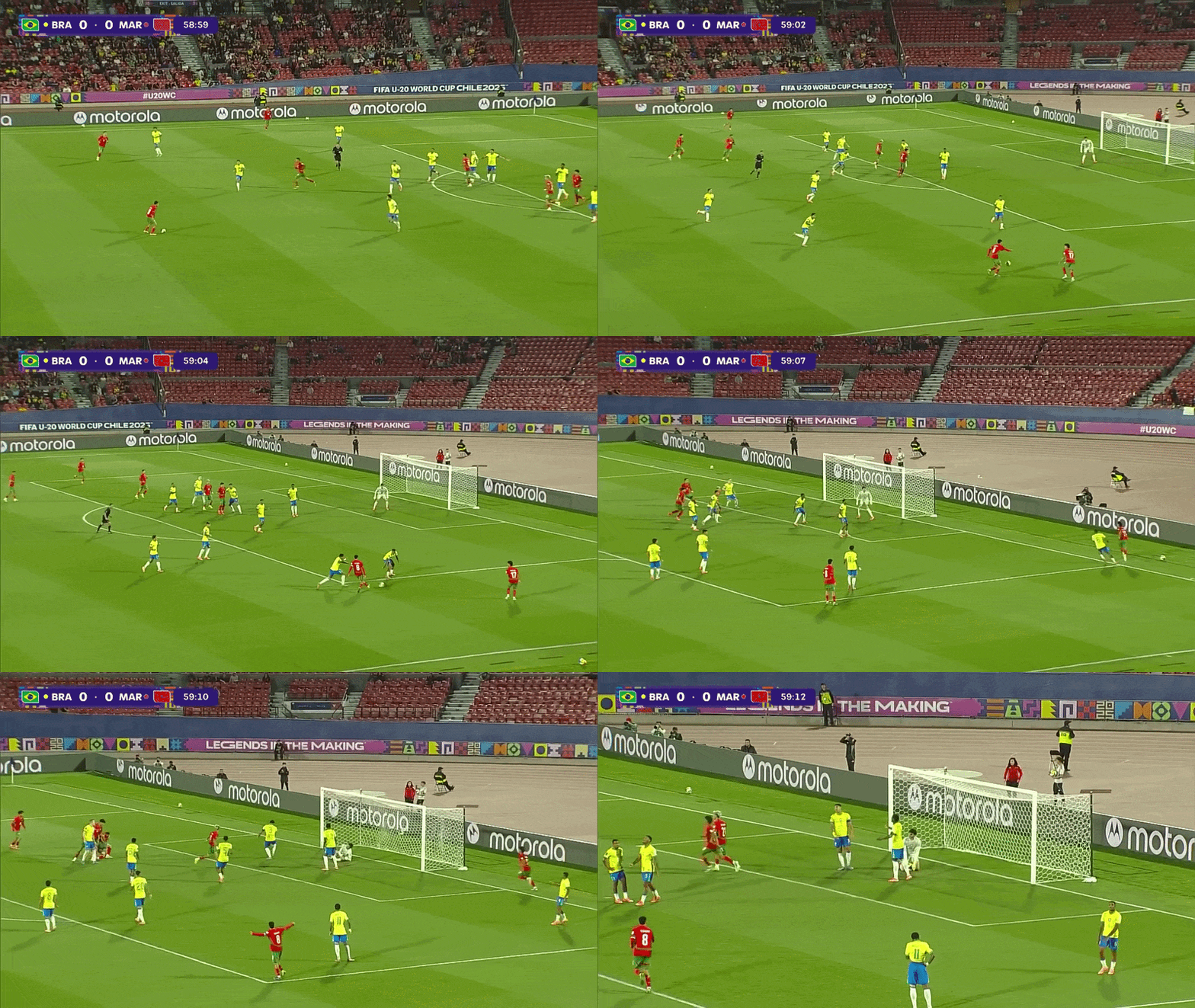
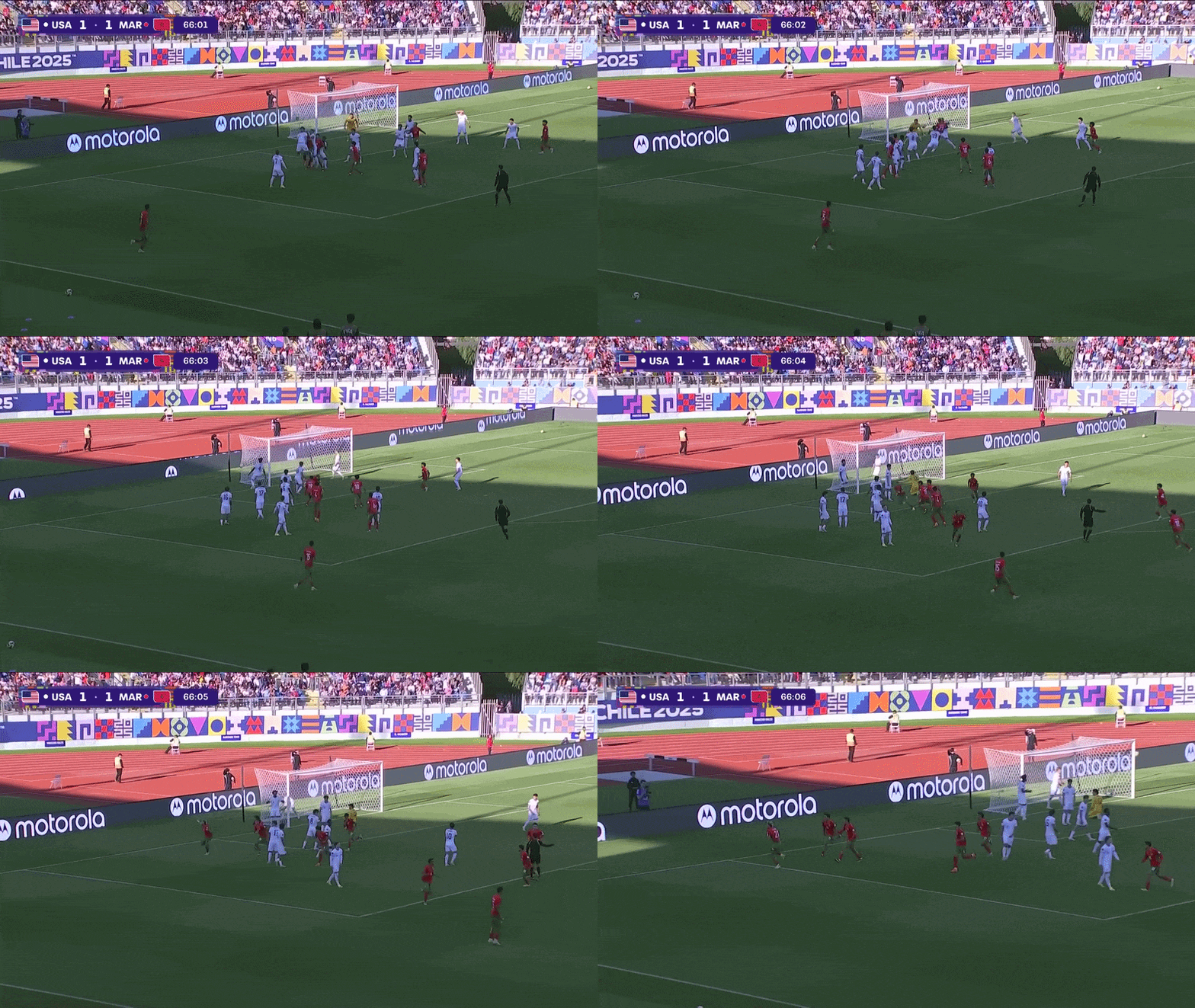
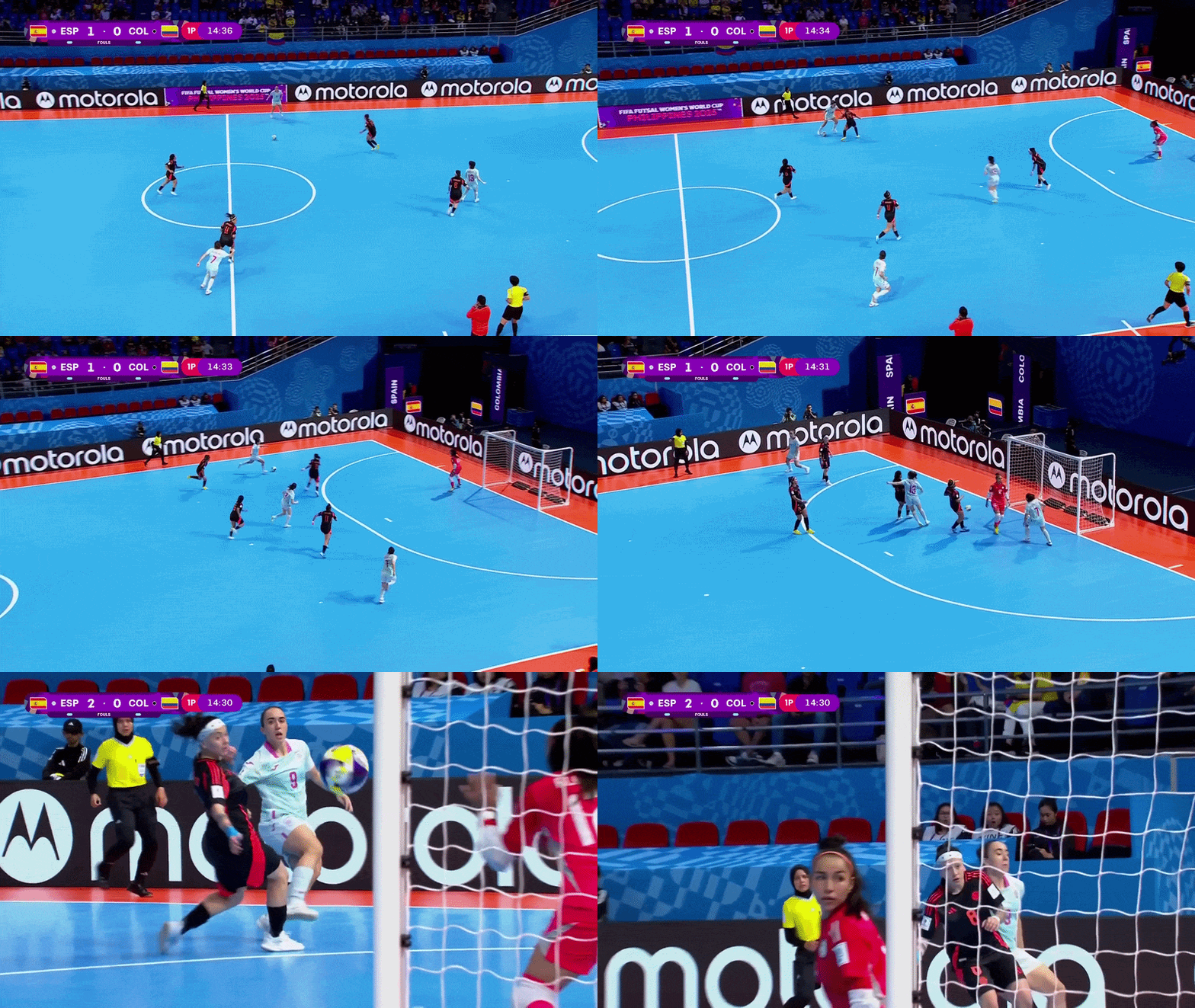
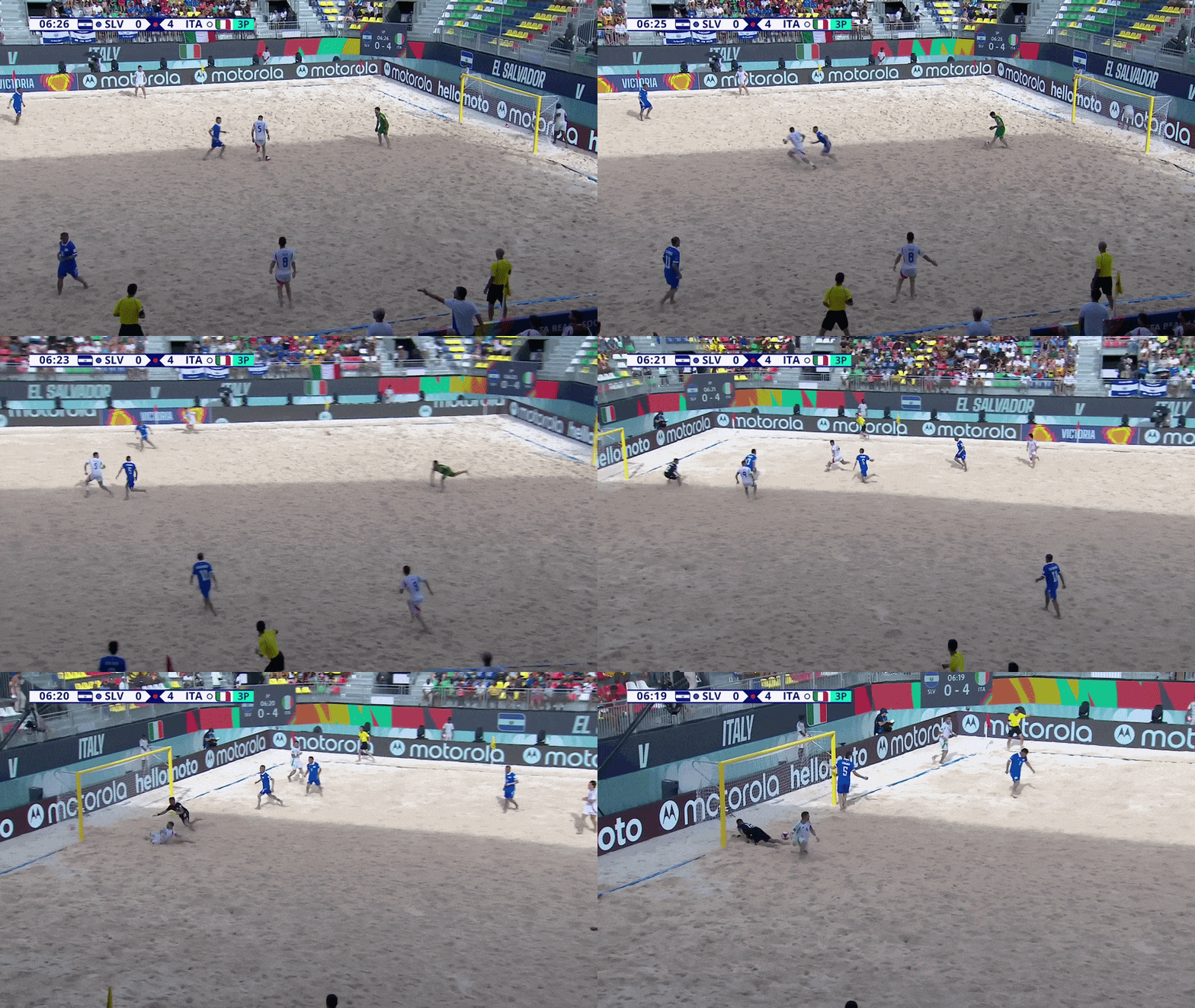

As part of Motorola’s global partnership with FIFA, I designed a motion system for stadium LED boards across multiple international tournaments, including the FIFA Beach Soccer World Cup 2025, FIFA U-20 World Cup 2025, FIFA U-17 Women’s World Cup 2025, and the FIFA Women’s Champions Cup 2026.
This work required balancing high-impact brand visibility with strict technical and broadcast constraints. Stadium LED environments demand a unique approach: animations must remain legible across extreme screen proportions, fast camera cuts, varying lighting conditions, and limited exposure times — all while ensuring the brand is clearly visible in fractions of a second.
I developed and presented multiple creative directions, having to meet Motorola’s more expressive visual language, Lenovo’s (owner of Motorola) more conservative approach and FIFA’s strict technical and broadcasting requirements. The work was presented and aligned with stakeholders across Motorola and Lenovo, including senior marketing and CX leadership. I also contributed to early explorations for the FIFA Club World Cup 2025, developing higher-visibility concepts that expanded the range of possible executions for large-scale stadium environments.
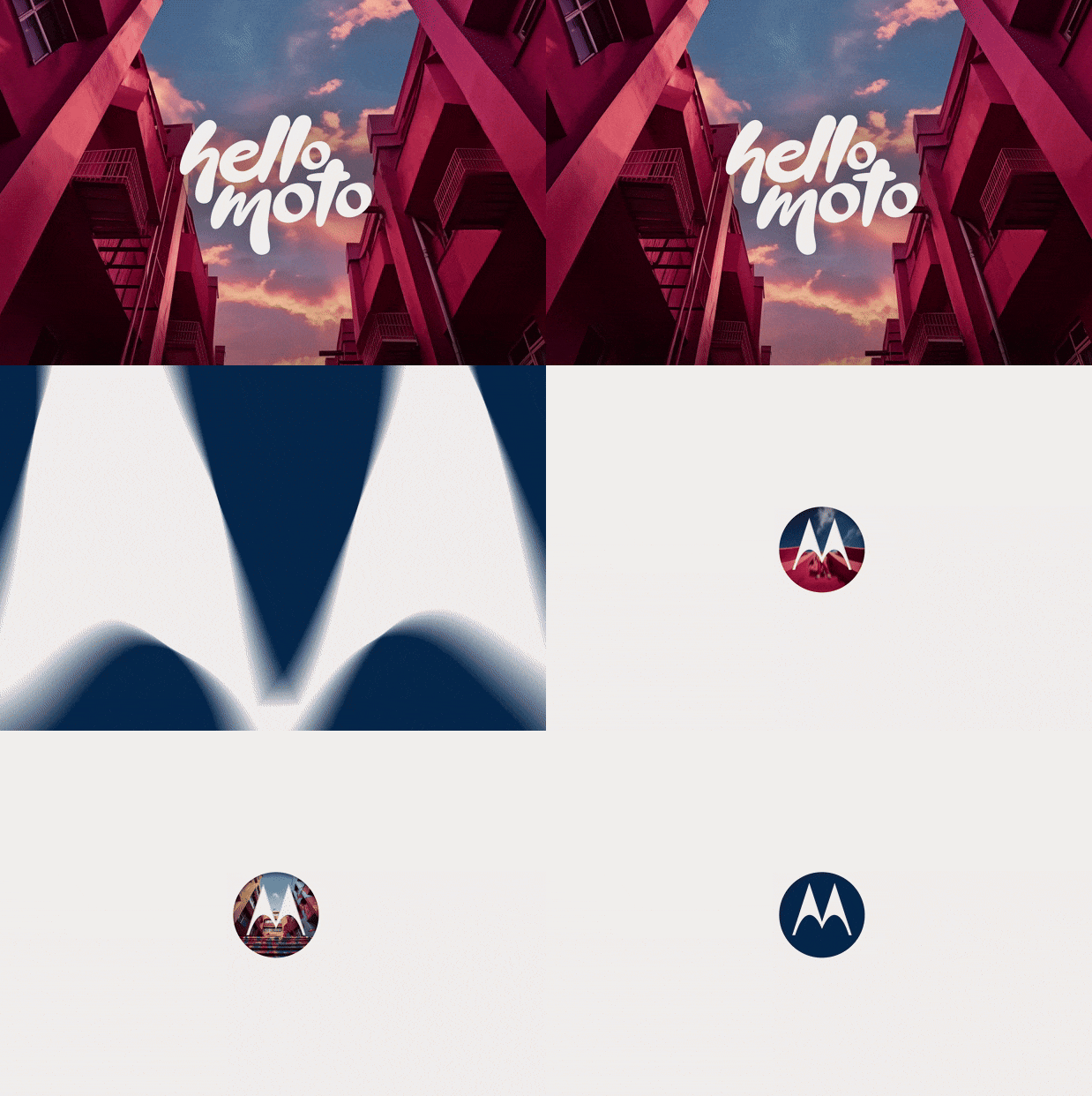
To address the need for scalability across different tournaments, formats, and tight timelines, I designed a modular motion system built around a core animation: the Motorola logo behaving as a dynamic element, bouncing and settling into a clear brand lockup.
This system was implemented through a flexible template with After Effects expressions that allowed for rapid adaptation across formats. Key variables such as spacing, timing offsets, repetition patterns, margins, and color could be adjusted to fit different screen dimensions and broadcasting contexts while maintaining consistency and performance.
The result was a motion language that could scale efficiently across multiple global events, ensuring both visual impact and reliable brand exposure under highly constrained conditions.